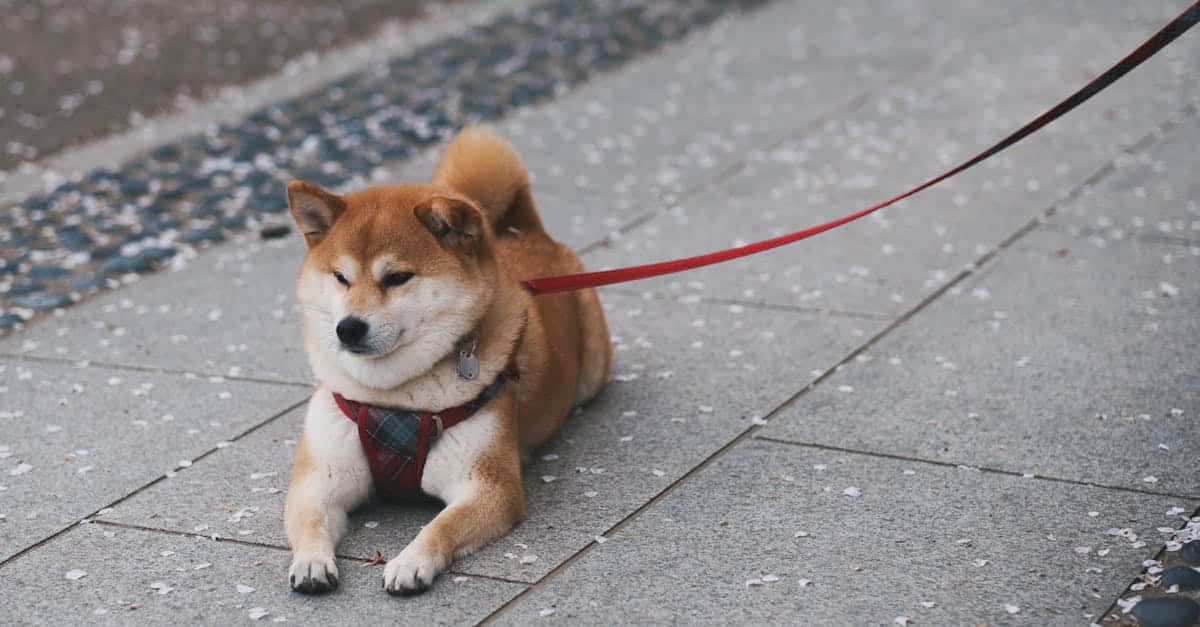
If you love the Shiba Inu’s fox-like face and spirited personality but need a dog that suits a smaller home, the mini Shiba Inu is worth a close look. These compact companions carry the charm, intelligence, and bold temperament of the classic Japanese breed in a size that fits apartment living and busy urban routines.
What Is a Mini Shiba Inu?
A mini Shiba Inu is a carefully bred, smaller variant of the traditional Japanese Shiba Inu. In Japan, this smaller type is known as the Mame Shiba, a small Shiba Inu that has lived in Japan for a long time and is called the Mame Shiba Inu or mini Shiba Inu in English. The Shiba itself is considered the oldest and smallest of Japan’s dogs, according to the AKC’s Shiba Inu breed profile, and the mini takes that compact heritage a step further.
Breeders developed the mini Shiba Inu through selective breeding programs that pair smaller-statured dogs while preserving the breed’s core traits: erect triangular ears, a thick double coat in colors such as red, black and tan, or cream, a muscular and proportionate build, and the signature curled tail. The goal of miniaturization is a dog that keeps the Shiba’s confident, alert demeanor while adapting more easily to compact living spaces.
Mini vs. Standard Shiba Inu
Size is the defining difference between the two. Mini Shiba Inus typically stand 10-14 inches tall and weigh 10-20 pounds, while standard Shiba Inus generally stand 14-17 inches tall and weigh 17-23 pounds. Beyond those dimensions, the variants are strikingly similar:
- Body structure: minis maintain a proportionally similar muscular build.
- Coat: both carry a thick double coat in the same color variations.
- Facial features: triangular ears and the fox-like expression are consistent across sizes.
- Tail: the characteristic curl is preserved in the mini version.
Responsible miniaturization relies on selective breeding of smaller parent dogs, health screening throughout the process, maintenance of genetic diversity, and deliberate preservation of the breed’s bold temperament.
Temperament and Personality
The mini Shiba Inu’s compact size does not soften its bold, confident demeanor. These dogs are highly alert and naturally watchful, show strong problem-solving skills, and maintain an independent attitude toward commands. They respond quickly to structured interactions, keep their territorial instincts despite their size, and show minimal dependency on constant human attention.
They adapt well to a range of homes, particularly single professionals with structured routines, families with older children who understand dog boundaries, and experienced owners familiar with assertive breeds. Early socialization and patient, consistent handling are the keys to channeling their intelligence productively.
Grooming Requirements
Brush the double coat 3-4 times weekly with a slicker brush and undercoat rake, and increase to daily brushing during the spring and fall shedding seasons. Bathe every 6-8 weeks using a dog-specific shampoo that preserves the coat’s natural oils. Clean ears weekly, trim nails every 2-3 weeks, and brush teeth 2-3 times weekly to prevent tartar buildup and dental disease.
Exercise and Activity
Despite their small stature, mini Shiba Inus have high energy levels and need 30-45 minutes of daily exercise. Mix brisk walks with fetch, agility training, short hikes, interactive puzzle games, and obedience sessions; mental stimulation matters as much as physical activity for preventing boredom and destructive behavior.
Nutrition
Choose a high-quality food formulated for small breeds with fast metabolisms, and keep portions controlled to prevent obesity. A typical guideline is 1/2 to 1 cup of premium dry kibble daily, divided into two meals, with a nutritional profile of roughly 25-30% protein, 12-15% fat, and 40-45% carbohydrates. Adjust portions for age, weight, and activity level, and consult your veterinarian for personalized recommendations.
Health Considerations
Mini Shiba Inus benefit from attentive health monitoring. Common breed-related concerns include patellar luxation (knee joint displacement seen in small breeds), eye disorders such as progressive retinal atrophy and glaucoma, allergic dermatitis, and dental problems. The breed also shows genetic predispositions to hip dysplasia, hypothyroidism, chylothorax, and canine immune-mediated hemolytic anemia. Preventive genetic screening, consistent veterinary check-ups, balanced nutrition, regular exercise, and maintaining an ideal body weight all help manage these risks.
Training and Socialization
Begin training at 8-10 weeks old using positive reinforcement. Keep verbal cues to short 1-2 word commands, run 5-10 minute sessions multiple times daily, reward with high-value treats, and consider clicker training for precise behavioral marking. Introduce socialization experiences early and in controlled environments.
Because of their independent streak, minis can present challenges such as resource guarding, territorial behavior, stubbornness, and separation anxiety. Early desensitization, structured socialization, patient redirection, consistent boundaries, and gradual alone-time training address most issues, and a professional trainer can tailor guidance to an individual dog.
Costs of Ownership
Mini Shiba Inu puppies range from $1,500 to $3,500 depending on lineage and breeder reputation, and purebred puppies from championship bloodlines can exceed $4,000. Pedigree, breeder certification, location, coat color and quality, and rarity all influence price.
Budget for initial expenses as well: a first veterinary checkup at $200-$300, a vaccination series at $150-$250, microchipping at $45-$75, and starter supplies at $300-$500.
Ongoing monthly costs typically run $100-$300, covering premium dog food ($50-$80), veterinary care ($30-$60), grooming supplies ($20-$40), preventative medications ($15-$30), and training and accessories ($20-$50).
Choosing a Breeder
Prioritize breeders who provide comprehensive health certificates, are transparent about genetic screening, welcome facility visits, offer post-purchase support, and specialize in Shiba Inu breeding. Ask about genetic health documentation, puppy socialization practices, the health history of the parent dogs, and professional breeding credentials.
Frequently Asked Questions
Are mini Shiba Inus good apartment dogs?
Yes. Their compact size and moderate exercise needs of 30-45 minutes a day suit apartments well, provided owners supply consistent training and mental stimulation.
Are mini Shiba Inus easy to train?
They are intelligent but independent, which makes training a challenge. Positive reinforcement, short engaging sessions, and early socialization work best; first-time owners may benefit from professional training support.
Are mini Shiba Inus good with children?
They tend to do best in families with older children who understand dog boundaries, and with experienced owners who can provide clear structure and consistent rules.
Final Thoughts
A mini Shiba Inu offers the intelligence, loyalty, and fox-like charm of the classic breed in a package suited to urban life. Go in prepared: budget realistically, choose a reputable breeder, commit to early training and socialization, and keep up with preventive veterinary care, and this spirited little companion can become an irreplaceable member of your family.
 English